

The greatest credit for establishing modern American anthropology is due to German-American anthropologist Franz Boas He developed this quadrilateral approach, while at Columbia University, where he was appointed first professor of anthropology in 1899. The dominant paradigm at the time was the cultural development influenced by Darwin’s theory, mentioned above.Another important achievement was refutation of this theory. He also encouraged the treatment of severe shortages of disciplined (descriptive) ethnographic information
1. Physical anthropology
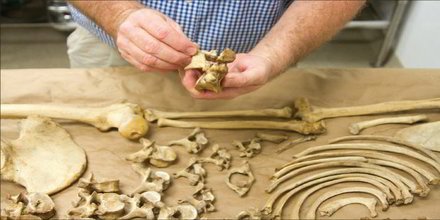
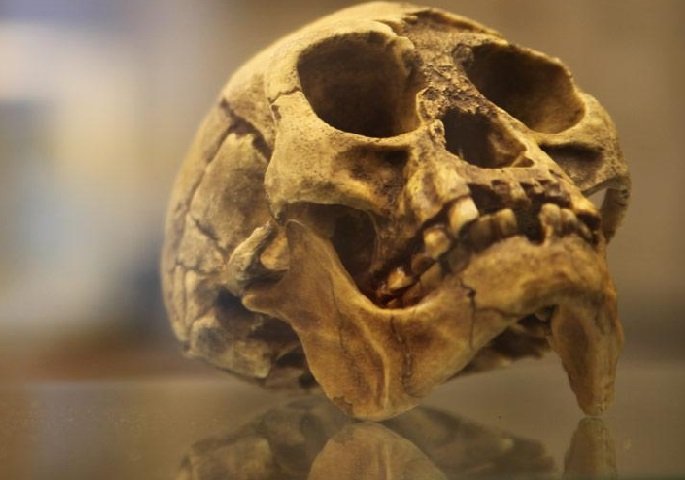
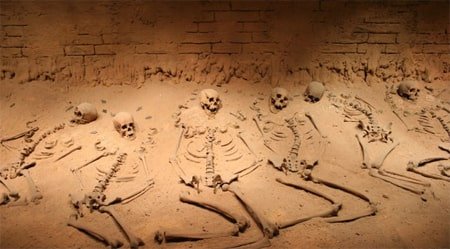
It studies human evolution over time, and the different environmental and cultural impacts on human development. It addresses three main groups of problems The evolution of human and inhuman primates, human diversity and its importance, and the biological basis of human behavior. For this purpose, physical anthropologists study fossils Former groups of hominini and inhuman primates
2. Cultural anthropology
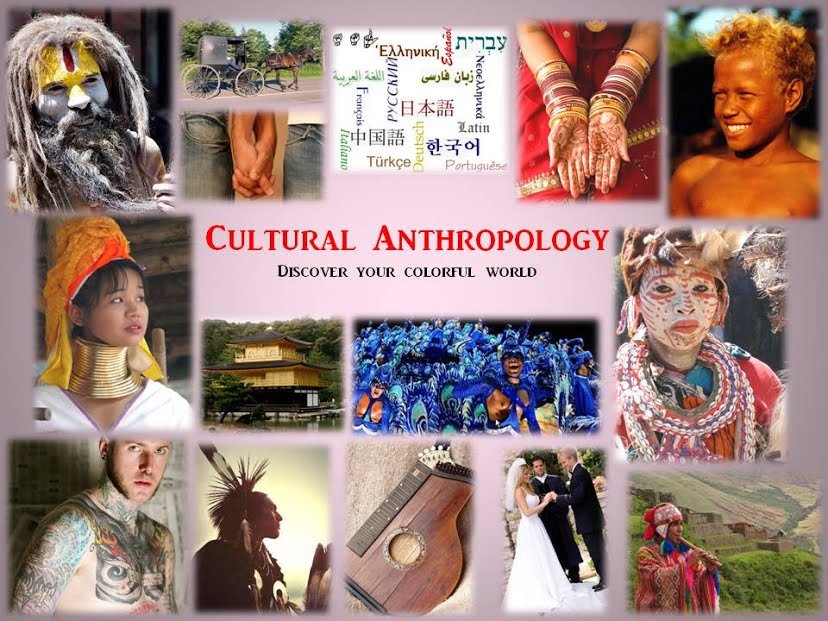
These are the four largest disciplines. Culture in American anthropology is much more comprehensive than society (majoring in Britain is called social anthropology).It includes everything that is acquired in human life. These include religion, myth, traditions, customs, arts, tools, social structures, and the family. It was a pre-existence of the indigenous communities of America A great role in enriching and developing this specialization significantly.
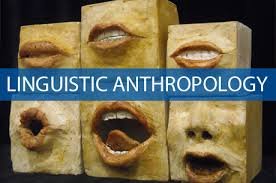
3. Linguistic Anthropology
Languages are studied in their social and cultural context across time and space, both verbal and non-verbal, and this includes studying their functions and social uses The relationship between language, reason, culture and society, and the impact of languages on our perception of the world, and its transmission between generations. Linguistic anthropologists have developed a wide range of theoretical and methodological tools Suitable for the overall scope of the research. Besides studying the various theories developed to describe and understand language, specialization is also concerned with language in all its aspects.
And not just its social uses, it studies its history, structure, acoustics and poetry.
4. Archeology
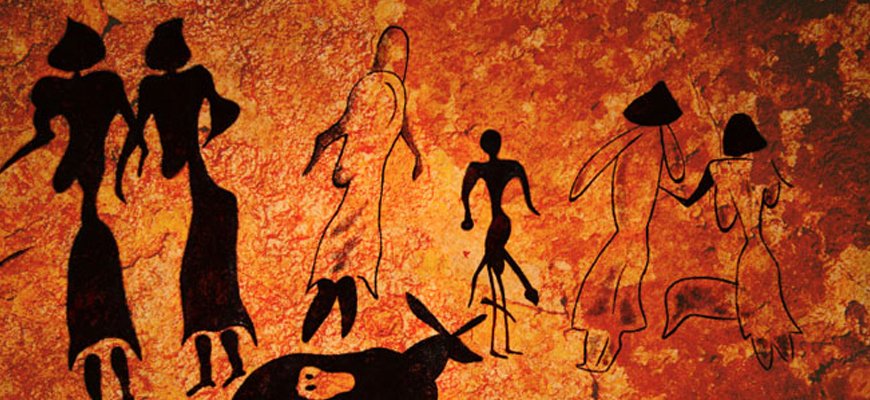
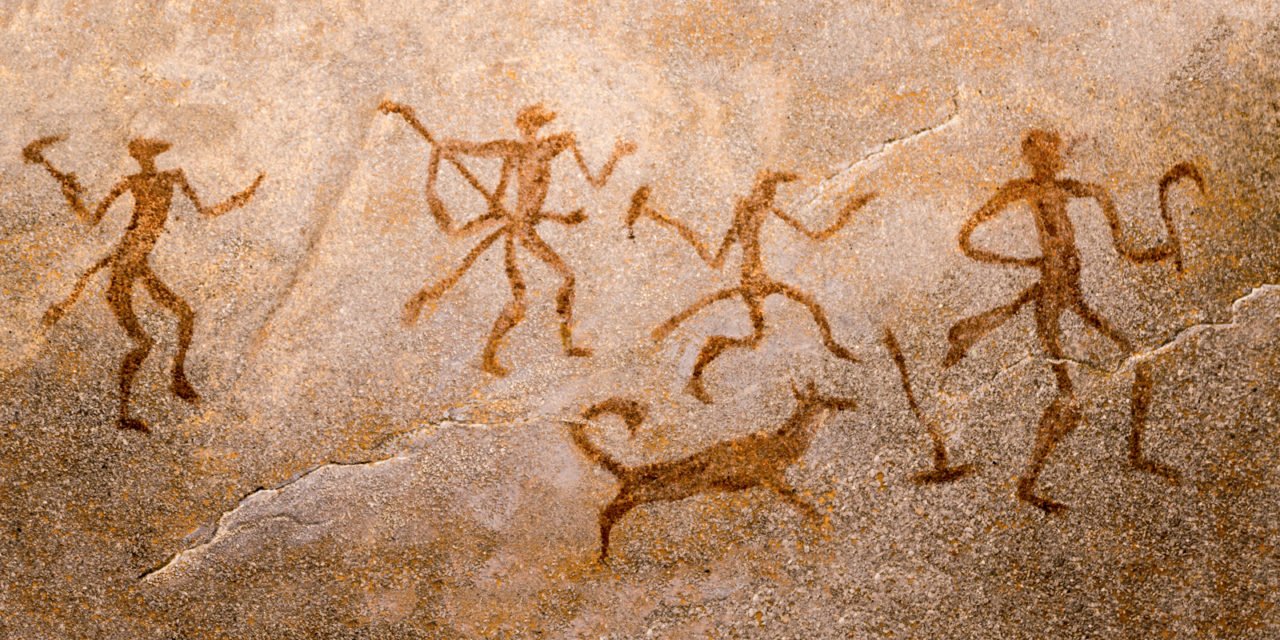
In order to present the nature of a particular species of organism, it is necessary to compare and refer to it versus other types already known to usThe problem can only be solved by comparing two types of rational beings on the basis of experience, but experience has not provided us with a comparison between two types of rational beings.The problem can only be solved by comparing two types of rational beings on the basis of experience, but experience has not provided us with a comparison between two types of rational beings.Archaeologists are working on thousands of pieces of pottery and other artifacts to arrive at a scientific perception of the nature of human life in the past.Archeology differs from the science of history in terms of raw material, so archaeologists deal with tangible material, while historians deal with the readable material, which undermines the extent of its engagement with historical times At the same time, the archaeologist may use the materials of many other human and social disciplines to complete his conception of the past, so his work intersects with sociology, cultural anthropology, literature and history as well.
In the end my articles on anthropology, we conclude with the phrase famous anthropologist Erik Wolf (1923-1999).
Anthropology is not a research field as it is a link between a number of fields. It is history on the one hand, and literature on the other. On the one hand, it is a natural science And social science on the other hand. Anthropology aims to study man from inside and outside, and is a way to look at a person and a way to predict his future at the same time. Anthropology is the most humanistic science of nature The most humanistic natural sciences
References
Hussein Fahim: The Story of Anthropology, The World of Knowledge (98), The National Council for Culture, Arts and Letters – Kuwait
Anthropology domains: Selections from the International Encyclopedia of Humanities, Journal of Social Sciences – Kuwait, Mr. Hamid and Alaya Hussein
A History of Anthropology
 Information on all sciences