Specializations of American Anthropology

The greatest credit for establishing modern American anthropology is due to German-American anthropologist Franz Boas He developed this quadrilateral approach, while at Columbia University, where he was appointed first professor of anthropology in 1899. The dominant paradigm at the time was the cultural development influenced by Darwin’s theory, mentioned above.Another important achievement was refutation of this theory. He also encouraged the treatment of severe shortages of disciplined (descriptive) ethnographic information

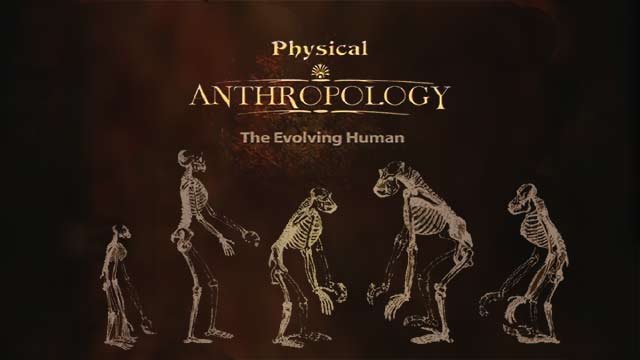
1. Physical anthropology

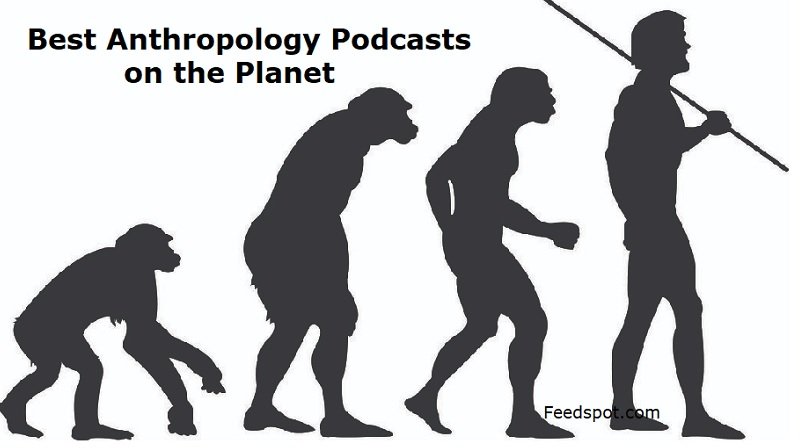
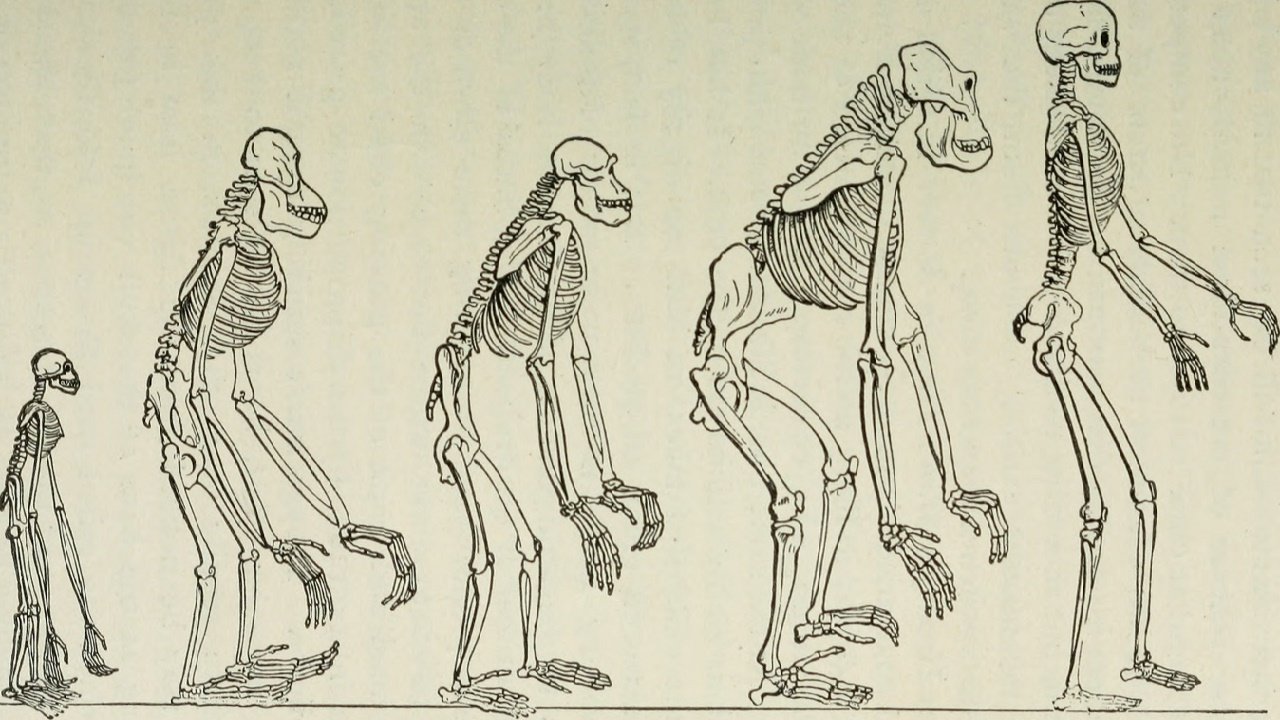
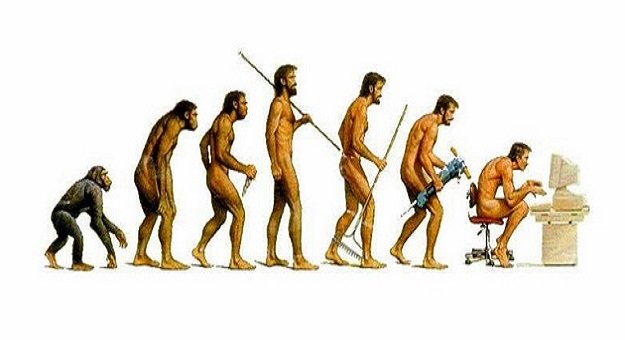
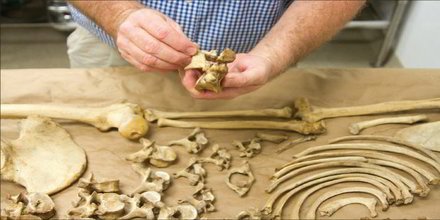
It studies human evolution over time, and the different environmental and cultural impacts on human development. It addresses three main groups of problems The evolution of human and inhuman primates, human diversity and its importance, and the biological basis of human behavior. For this purpose, physical anthropologists study fossils Former groups of hominini and inhuman primates

2. Cultural anthropology

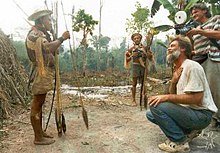
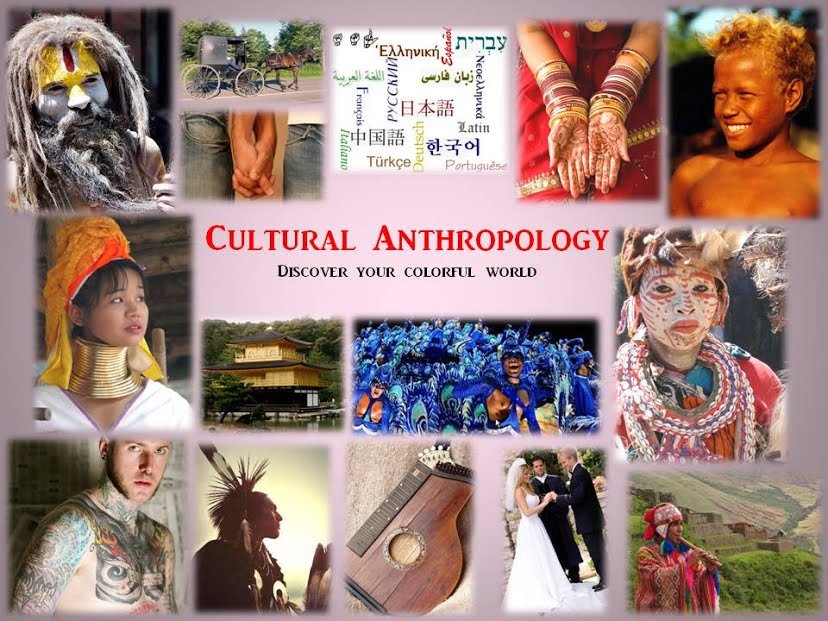
These are the four largest disciplines. Culture in American anthropology is much more comprehensive than society (majoring in Britain is called social anthropology).It includes everything that is acquired in human life. These include religion, myth, traditions, customs, arts, tools, social structures, and the family. It was a pre-existence of the indigenous communities of America A great role in enriching and developing this specialization significantly.
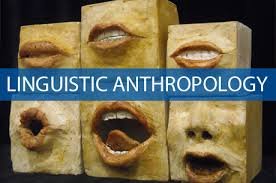
3. Linguistic Anthropology
Languages are studied in their social and cultural context across time and space, both verbal and non-verbal, and this includes studying their functions and social uses The relationship between language, reason, culture and society, and the impact of languages on our perception of the world, and its transmission between generations. Linguistic anthropologists have developed a wide range of theoretical and methodological tools Suitable for the overall scope of the research. Besides studying the various theories developed to describe and understand language, specialization is also concerned with language in all its aspects.
And not just its social uses, it studies its history, structure, acoustics and poetry.
4. Archeology

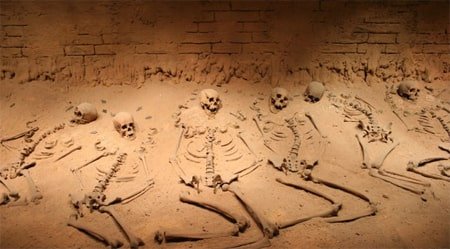
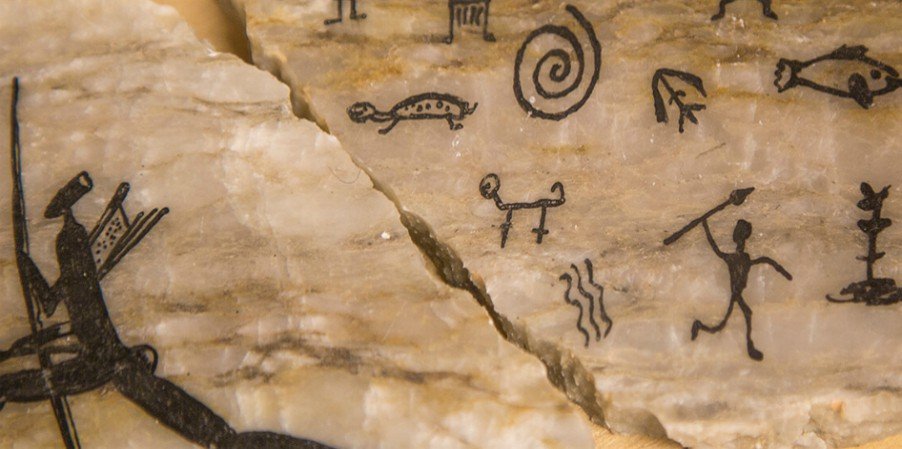
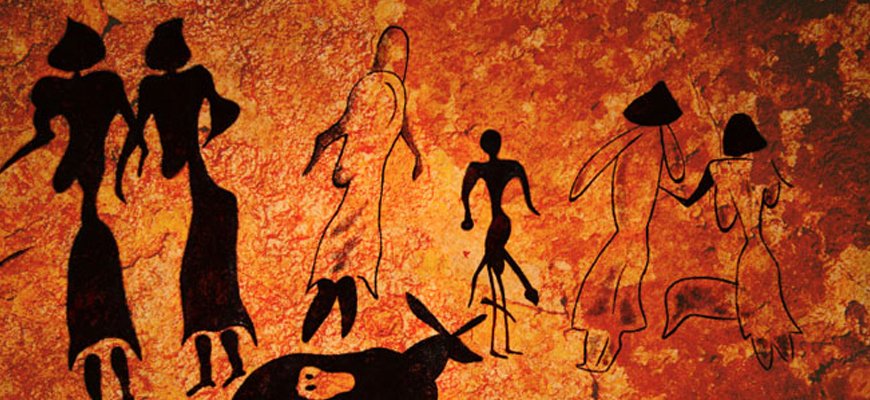
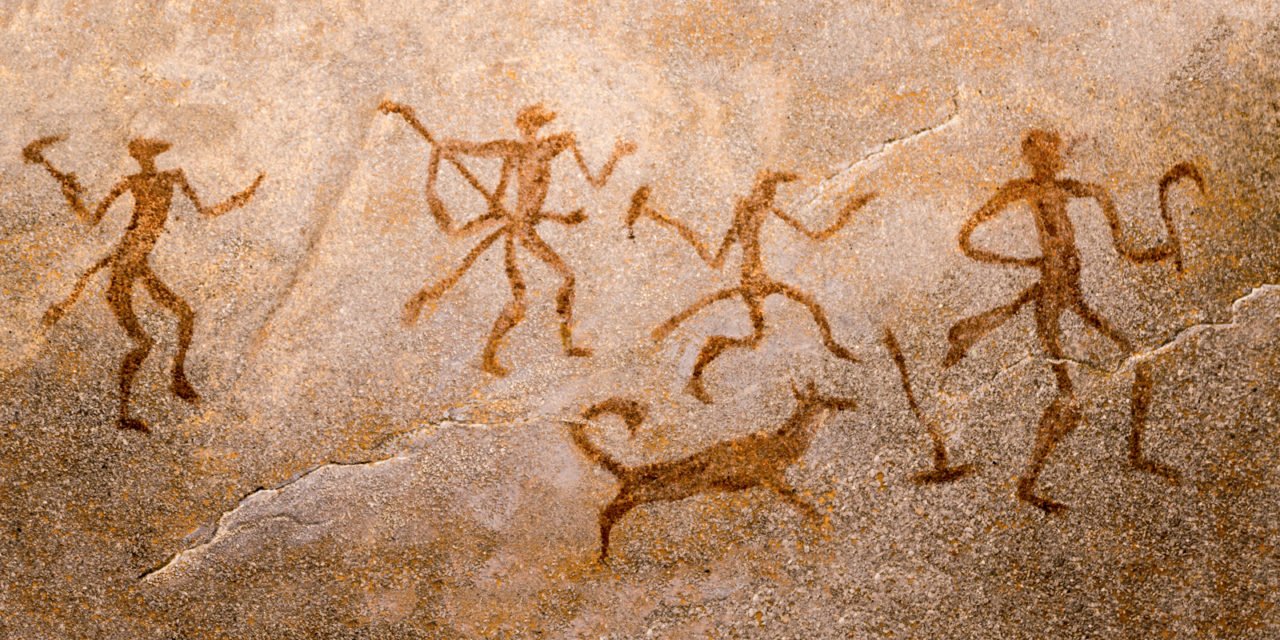
In order to present the nature of a particular species of organism, it is necessary to compare and refer to it versus other types already known to usThe problem can only be solved by comparing two types of rational beings on the basis of experience, but experience has not provided us with a comparison between two types of rational beings.The problem can only be solved by comparing two types of rational beings on the basis of experience, but experience has not provided us with a comparison between two types of rational beings.Archaeologists are working on thousands of pieces of pottery and other artifacts to arrive at a scientific perception of the nature of human life in the past.Archeology differs from the science of history in terms of raw material, so archaeologists deal with tangible material, while historians deal with the readable material, which undermines the extent of its engagement with historical times At the same time, the archaeologist may use the materials of many other human and social disciplines to complete his conception of the past, so his work intersects with sociology, cultural anthropology, literature and history as well.
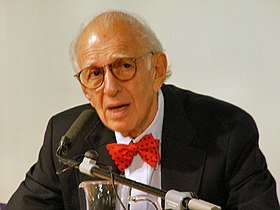
In the end my articles on anthropology, we conclude with the phrase famous anthropologist Erik Wolf (1923-1999).

Anthropology is not a research field as it is a link between a number of fields. It is history on the one hand, and literature on the other. On the one hand, it is a natural science And social science on the other hand. Anthropology aims to study man from inside and outside, and is a way to look at a person and a way to predict his future at the same time. Anthropology is the most humanistic science of nature The most humanistic natural sciences
Eric Wolf

References

Hussein Fahim: The Story of Anthropology, The World of Knowledge (98), The National Council for Culture, Arts and Letters – Kuwait

Anthropology domains: Selections from the International Encyclopedia of Humanities, Journal of Social Sciences – Kuwait, Mr. Hamid and Alaya Hussein

A History of Anthropology
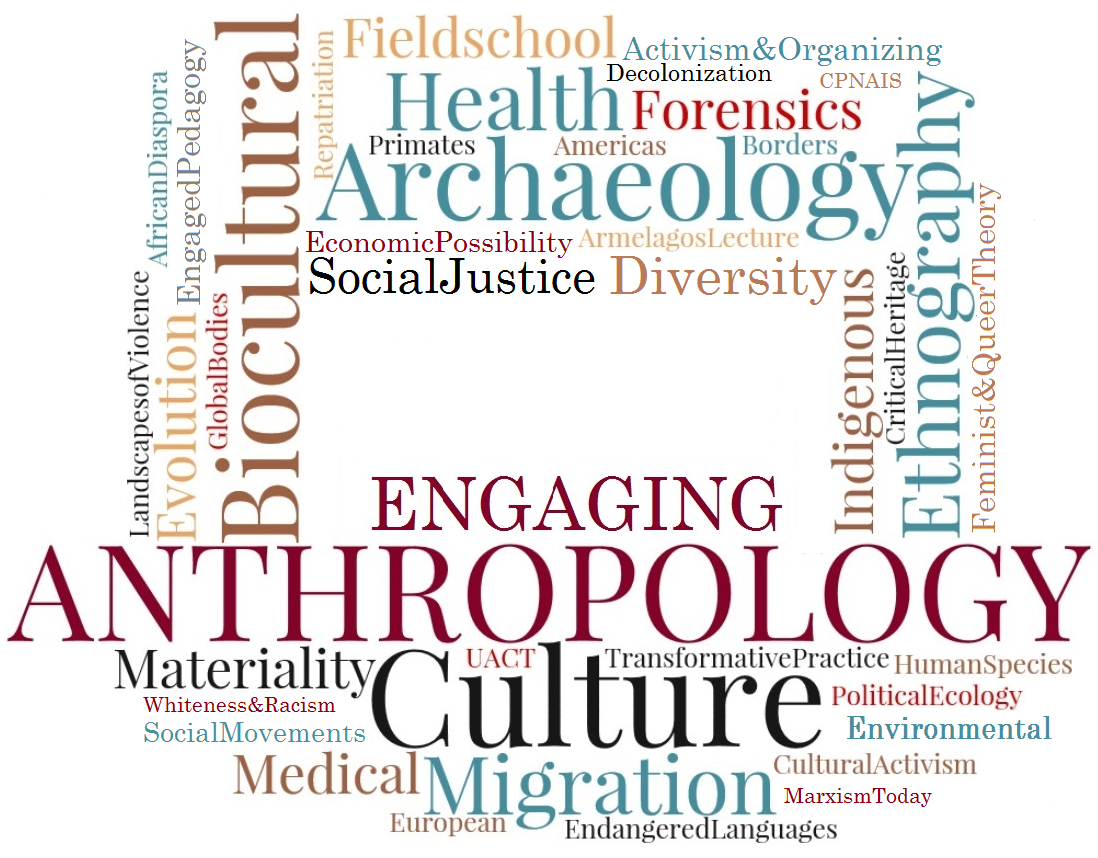
Anthropology around the world

First, it should be noted that the difference of anthropological schools about disciplines, disciplines, fields and approaches to research is understandable in light of the difference in history, culture and the dominant philosophical current Rather, the difference in perception of this science and its function and purpose also, so the difference was not limited to the countries of the first world, so it was repeated when the post-colonial countries engaged in anthropological research, as happened in Africa.

The feminist movement has its own approach, which is an important and influential approach, in which it sought to liberate the field and purify it from male domination and prejudice. An example of national privacy is the flow of custom in some countries of Europe – most notably France – to assign the task of studying man as long as it is “last”, whether temporally or spatially, to anthropology, while sociology is sponsored By studying modern Western societies. Indeed, it is noted that the occupied peoples have received the largest share of the interest of anthropologists, while the West has received most of the attention of sociologists, although the matter has changed.

English is the language of most of the anthropology literature, due to the relative precedent of England and America to the establishment and development of this science, in addition to being the official language of globalization. However, there are differences between these two countries Also. Like the historical disagreement about the interpretation of social patterns, while the Americans saw that the interpretation expresses a common mental structure that cannot be generalized, the English saw it as a law similar to the laws of natural sciences.

Archeology in England is an academic discipline completely independent of anthropology, unlike in America (as we shall see) .For these and other reasons, despite the great importance and prestige of European anthropology, especially English and French, we will present here to the anthropological disciplines according to the American approach,. That makes it four majors: physical (biological) anthropology, cultural anthropology (social), linguistic anthropology, and archeology

Towards establishment Anthropology

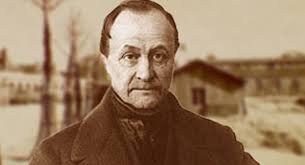
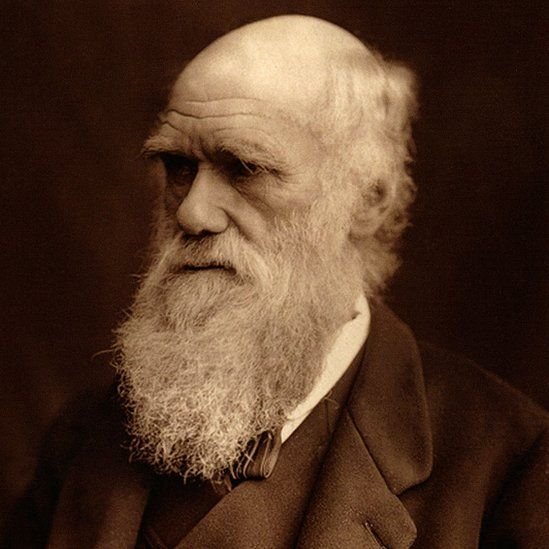
In 1859, that is, in the second half of a century, he began the French Revolution and witnessed the Industrial Revolution, and in the same period that the French sociologist Auguste Conte called for the creation of a positional science to study Society, the British naturalist and biologist Charles Darwin published the book “The Origin of Species”, introducing the theory of evolution, to begin with a new stage of Western thought.

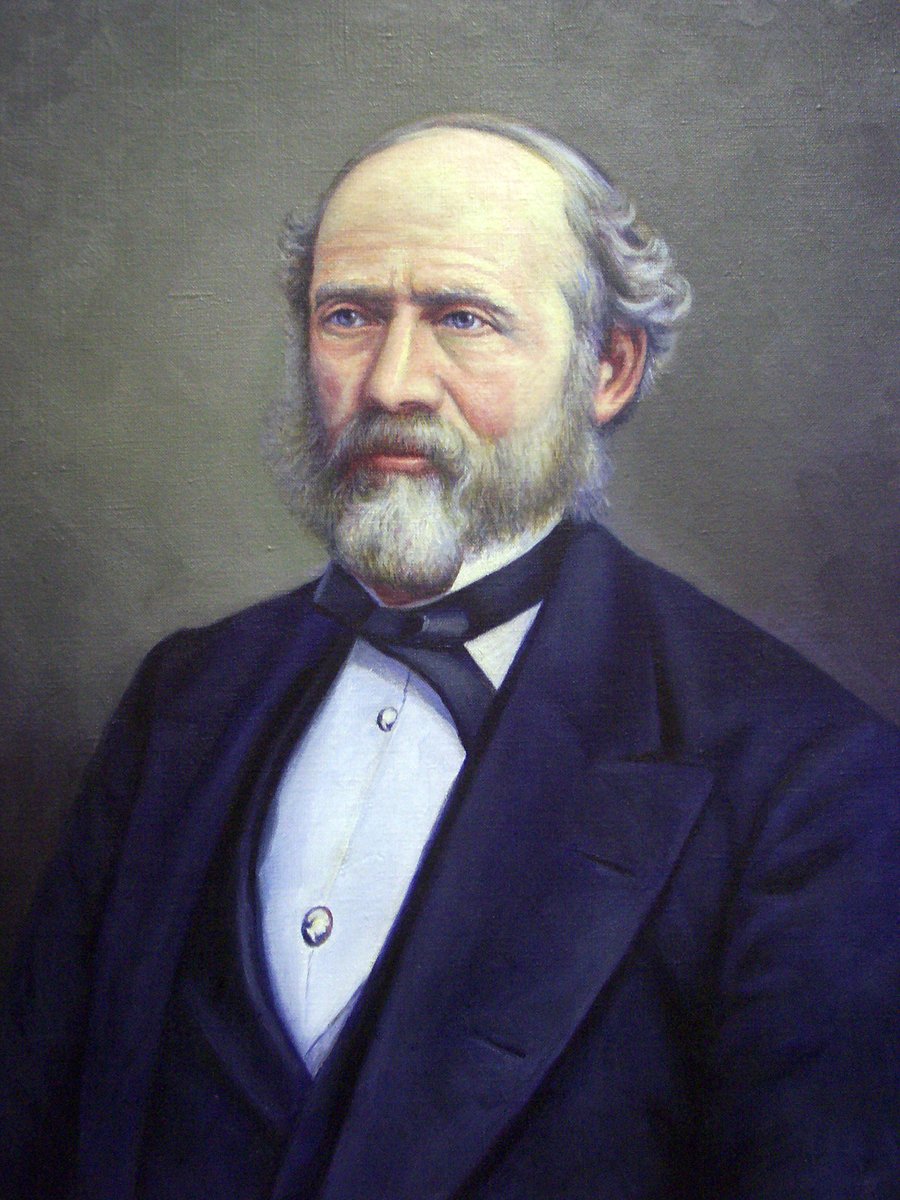
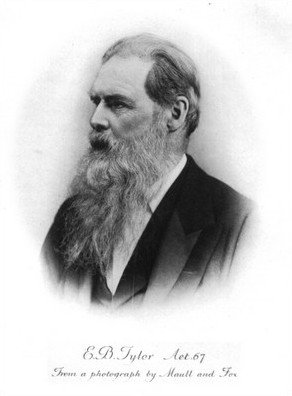
In exchange for Darwin’s contribution to biology, the English philosopher Herbert Spencer applied this theory to human societies It is similar to biological organisms, which also attempt to adapt to maintain their existence, some succeed and others perish. This theory affected many anthropologists In their writings, they portrayed Europeans as a people who are biologically and culturally superior to all other peoples, which is in line with what the West witnessed during this period of popularity for the study of human strains with the aim of proving racial superiority During this period, many, such as the founder of British anthropologist Sir Edward Taylor and American anthropologist Louis Henry Morgan, will make important contributionsOn the evolution of societies, according to the theory of social evolution, which will continue to dominate anthropological circles for a period of time.

Colonial Europe will improve the use of these writings to justify their expansion, as a savior of these “backward” peoples. At the same time, advocates of the white man’s biological supremacy will fail to provide evidence of their allegationsAlthough there are many “samples” that explorers will bring from Africa. As this view diminishes, the academic difference will begin to grow, with each anthropological school gaining more privacy.

From Enlightenment to Romanticism: Sharpen Minds

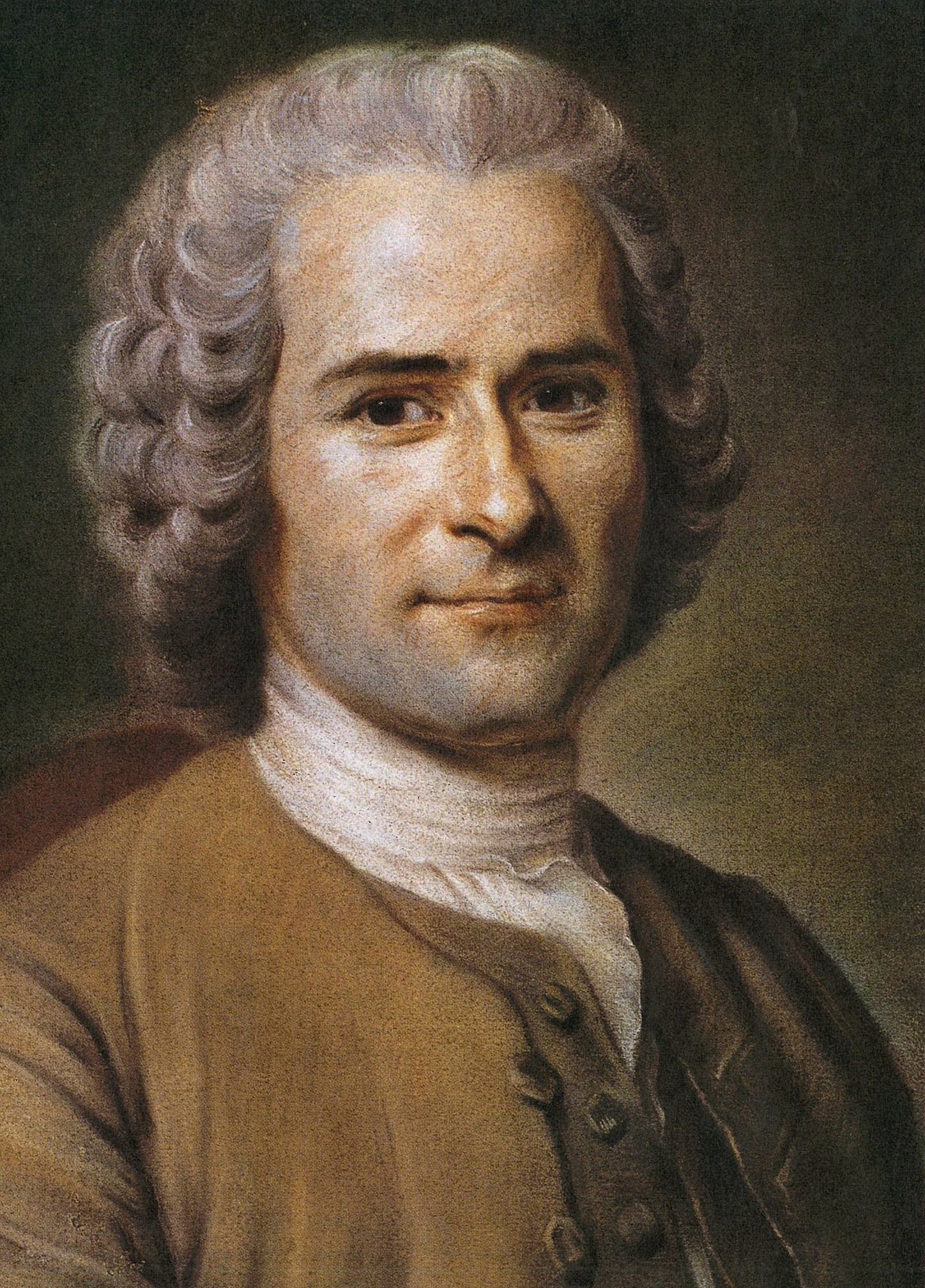
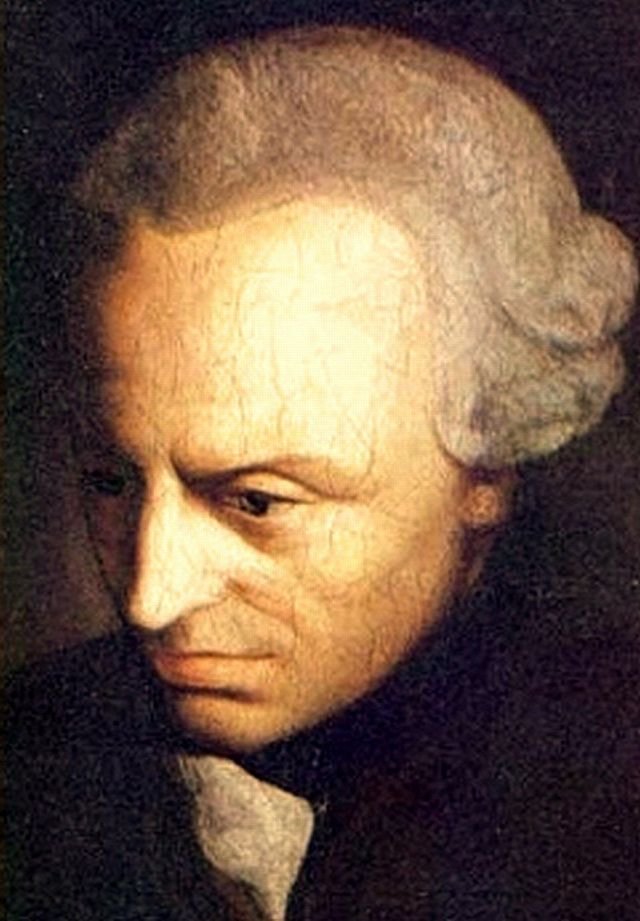
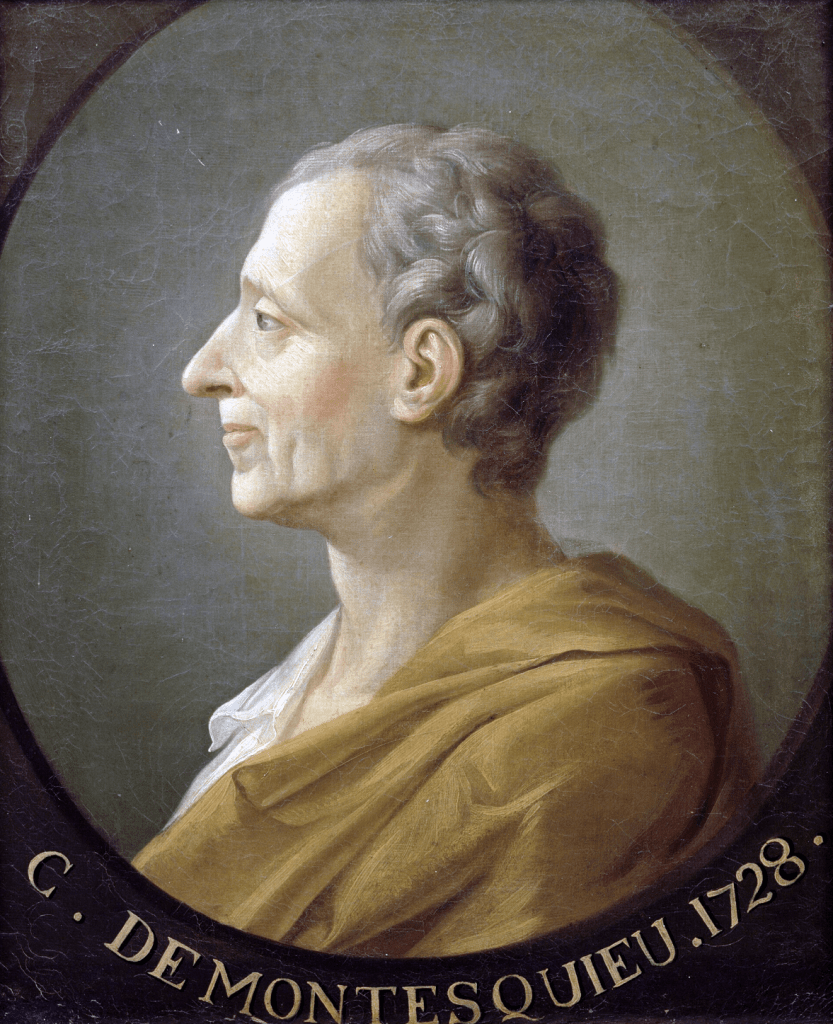
In the middle of the eighteenth century, the French philosopher Montesquieu published his book “The Spirit of Laws”, in which he stated that the legal system is part of a larger social entity .It is in a complex relationship with religion, politics, economics and many other aspects. It also provided for the possibility of interpreting barbaric behaviors such as cannibalism, idolatry and others through the function they perform within society. In addition, Montesquieu spoke of a concept similar to the collective mind (Durkheim has not yet endorsed it), which controls and leads society, and differs from one society to another, warning that the legislator and the politician must respect this spirit And seeking the help of changing unwanted habits with resourcefulness, as if other habits are instilled and cared for, to ensure that they gradually remove the old . Simultaneously, the encyclopedias, under the direction of Dennis Diderot, published “The Encyclopedia”, in which they tried to collect and organize as much knowledge as possible, to contribute to the progress of thought, science and technology. The church initially banned it in many European countries. This encyclopedia contained details about different social cultures and customs around the world, and systematic comparisons between different social systems, with the aim of reaching laws .The French philosopher and writer Jean-Jacques Rousseau was one of the most important participants in the encyclopedia, and his writings generally occupy a great place among anthropologists, who made comparisons between primitive peoples and societies in Europe .After analyzing it, he concluded opinions that differ from what most of his contemporaries see, views that see in every development of society a decline, and bear this society responsible for the sins of the individual and the weight of his burdens. Rousseau’s preference was also for primitive life over civilization “Corrupt” Europeanism is one of the most important precursors to cultural relativity. Besides, Rousseau formed a bridge that moved Europe from a French Enlightenment to a German romantic in contrast to it, which had long believed in Germanic racial superiority,It is based on semi-anthropological theories and studies on race and language. And with German philosophy comes its great philosopher Kant,In the late eighteenth century, an anthropology from a pragmatic point of view was published, in its last pages we read a phrase that may sound shocking to us, where it says: But Kant intended to modify the course of human study, from asking what is (its essence) to asking what he is doing.

Early anthropology

When we talk about early anthropology, we are really talking about the first anthropologists. Attention to the relativity of culture and values, and the comparative view, with a minimum level of neutrality, are the most important supplies for working with this. Science However, this is a spirit whose acquisition during most of humanity has remained extremely rare, for a variety of reasons

From Greece to the Americas: Collection of Matter

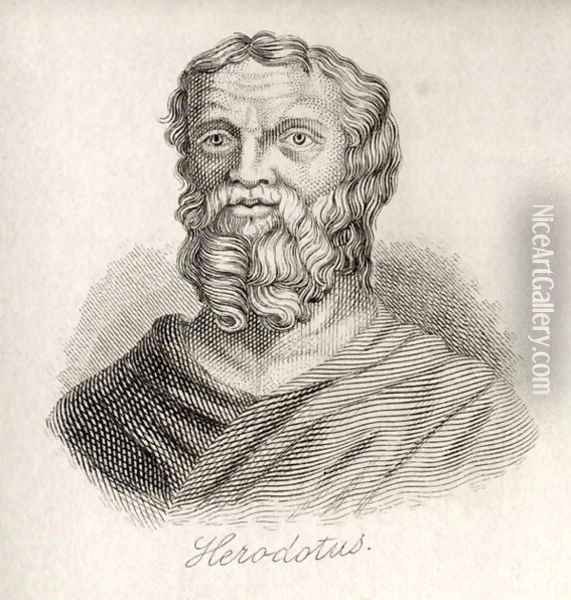
The Greek historian Herodotus lived in the fifth century B.C., chronicling the Persian-Iranian wars in his book “The History of Herodotus”, He was influenced by his narration of her beginnings with Homer’s poems, but the book contained – in addition to that – a record of living, governance, politics and geography.

He also presented the clashes between different cultures in Western Asia, North Africa and the countries of Greece at the time. Just as Herodotus was known as the “father of history”, some considered him a father of anthropology as well, as Herodotus recorded in his history the differences between societies in language, customs, beliefs, etc. He mentioned details about food, medicine, marriage, slavery and the status of women, relying on what was written on his observations during his travels and what he heard from others. But the great importance was in his acknowledgment – sometimes – that the differing values of these peoples are not due Because of her inferiority or the corruption of her morals, but to her different conditions and circumstances.

In the era of the Romans, we encounter something of this spirit in the first century B.C., specifically in the Diwan “On the Nature of Things”.For the Epicurean poet and philosopher Lucretius, besides the theories of matter, atom, the motion of the celestial bodies, etc., Deposited by the Bureau, we find its division into historical stages (Stone Age, Bronze, and Iron), and its views on the emergence of language, the nature of politics, and the decade About the genesis of language, the nature of politics, social contract, music, arts and more. In addition to adopting the doctrine of Epicurus, which makes everything fall into this world a material cause that can be discovered, until the “uncivilized” peoples leave behind.

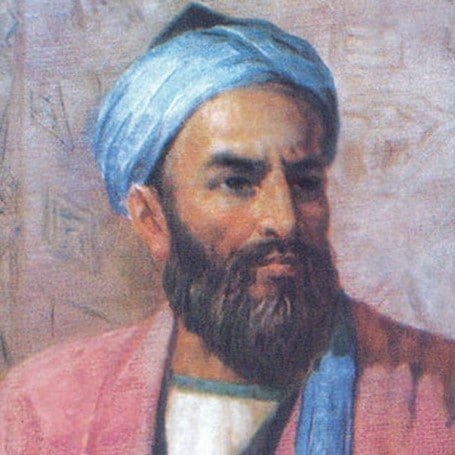
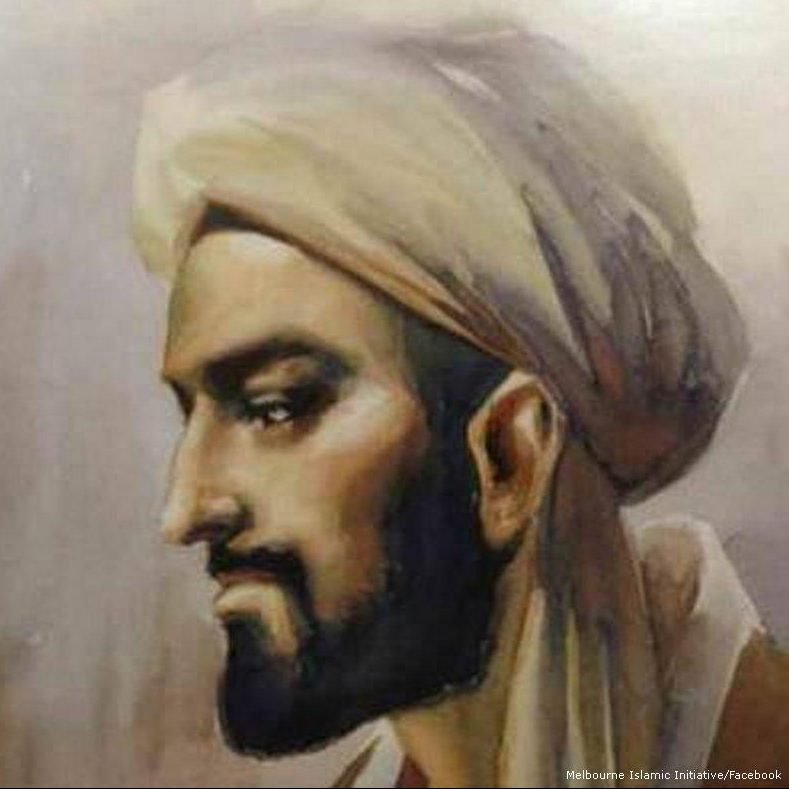
Then the contributions of Muslim travelers and historians emerged in the tenth century AD Among the most important are the writings of Herodotus the Arabs, born in Baghdad: Abu al-Hasan al-Masoudi. The book “Promoter of Gold and Substance Metals” contains the most famous works of Al-Masoudi.The biography of humans from creation until the Abbasid Caliphate of its time. In it he has shown a critical spirit in the face of heritage quotes and historical events And he talked about the impact of the environment and its difference on the human body, as it showed sympathy with other peoples, and he warns of the difference between what is stated in the books and scenes on the ground.

Pictures of Abu Al-Hassan Al-Masoudi

And after a few decades, on the other side of the Islamic body, the cursed scholar was Abu al-Rayhan al-Biruni Born in Uzbekistan, under the rule of the Ghaznavid state, records his observations in the Indian subcontinent, and compares cultures with rare objectivity and impartiality.They are largely due to his rise in a highly diverse society, his journeys and his mastery of several languages,

But Abd al-Rahman Ibn Khaldoun, born in the fourteenth century in Tunisia, remains the most prominent contributor. Ibn Khaldun developed the theory of nervousness It is the first non-religious social theory, which tries to understand human society, regardless of its geographical location or its temporal era In this context, he spoke about the role of kinship and religion in spreading a spirit of solidarity among members of society, as well as a difference between “Bedouin” and “urban” societies.

Abdul Rahman bin Khaldoun

It is worth noting that during the periods, Europe’s descriptions of narratives and descriptions witnessed tremendous growth.As a result of exploratory trips of various purposes, between religious tourism, trade, proselytism and the Crusades These trips covered various parts of the ancient world, from the Middle East, Africa and Central Asia to China, Japan and the Tatars.Among the most famous of these travelers were John de Plano Carbini, Matthew Paris and Marco Polo. Then came the age of exploration And with him countless unprecedented observations and explorations, even though the first texts were full of false information and religious arrogance, especially as they related to the Americas.. With the invention of printing in the middle of the fifteenth century, the effect of this news soon doubled and spread madly, until it reached the European collective mind.
With all this and other things that cannot be mentioned, such as the Orientalist movement and its translations, the raw material necessary for making comparisons between societies and looking at the human condition throughout the ages is available.And the opportunity has become an opportunity for the European mind to study and analyze it, especially that this coincided with the beginning of the Enlightenment era and the revolution and emancipation that contained it in an unprecedented way.

A short introduction to anthropology

The Royal Institute of Anthropology defines anthropology as the science that “teaches people all over the world, their evolutionary history, their behavior, how they adapt to different environments, and communicate and mix with them together.”
In fact, this is a confusing definition. It is difficult to extract a clear conception of what anthropology is, depending on its subject alone, which is man, as many sciences already take this subject as their subject, and the aforementioned aspects.

But anthropology is indeed the most comprehensive science that studies the human being, it intersects with many other sciences, including biology, history, sociology, literature and philosophy. Today it has many branches and disciplines, which are very rich, in which there is something that required.

In the upcoming articles, we will pass quickly to the important historical stages that paved the way for this science, and the most important writings and recordings that inspired minds, as we will look at its first stages and some of its pioneers and

And the conditions of its founding and its most prominent specialties, without referring to the details of science and its methods, except in a few places in order to show the quality of the ideas that science deals with, although the theoretical details are no less interesting than the story, but it is a talk about.