
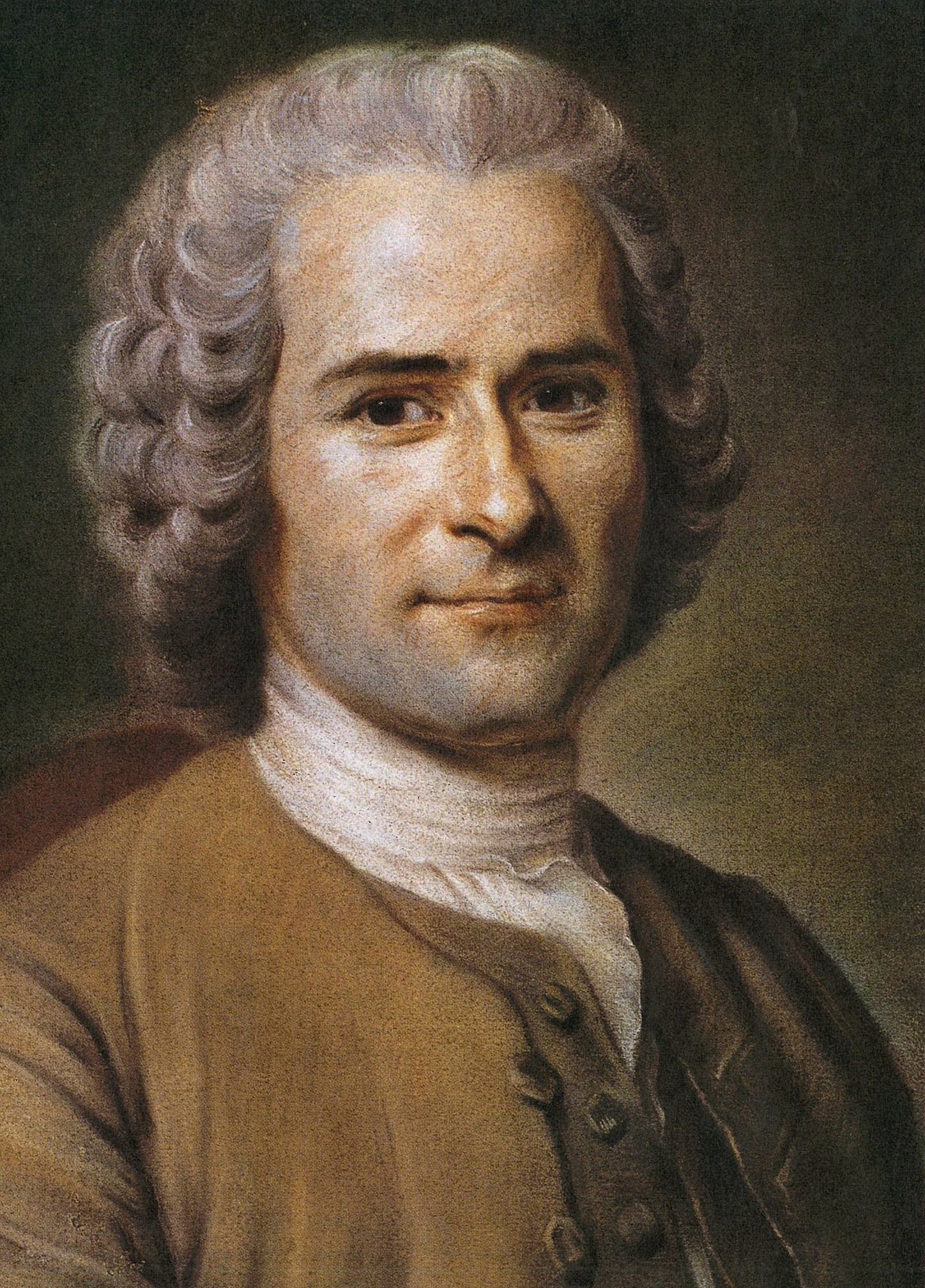
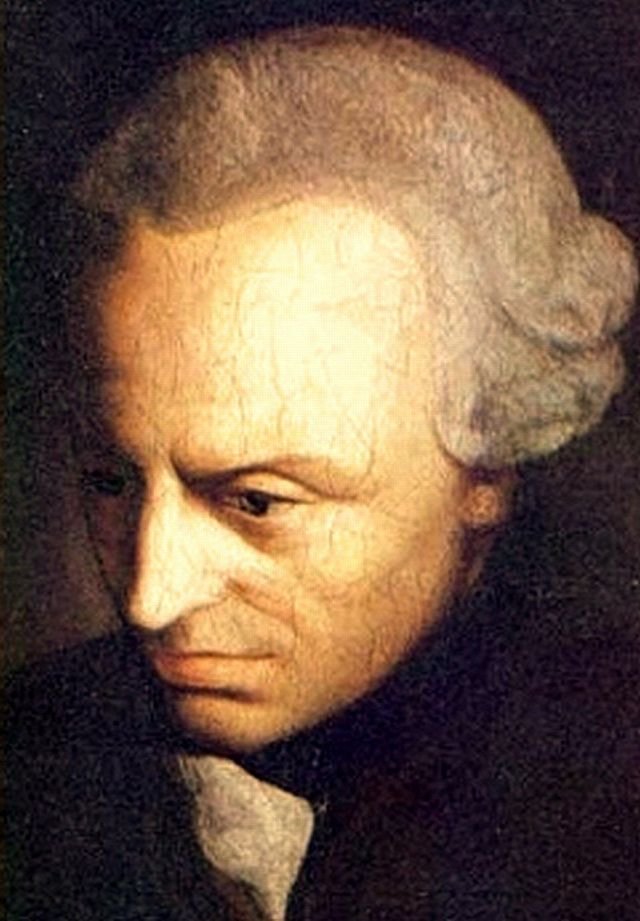
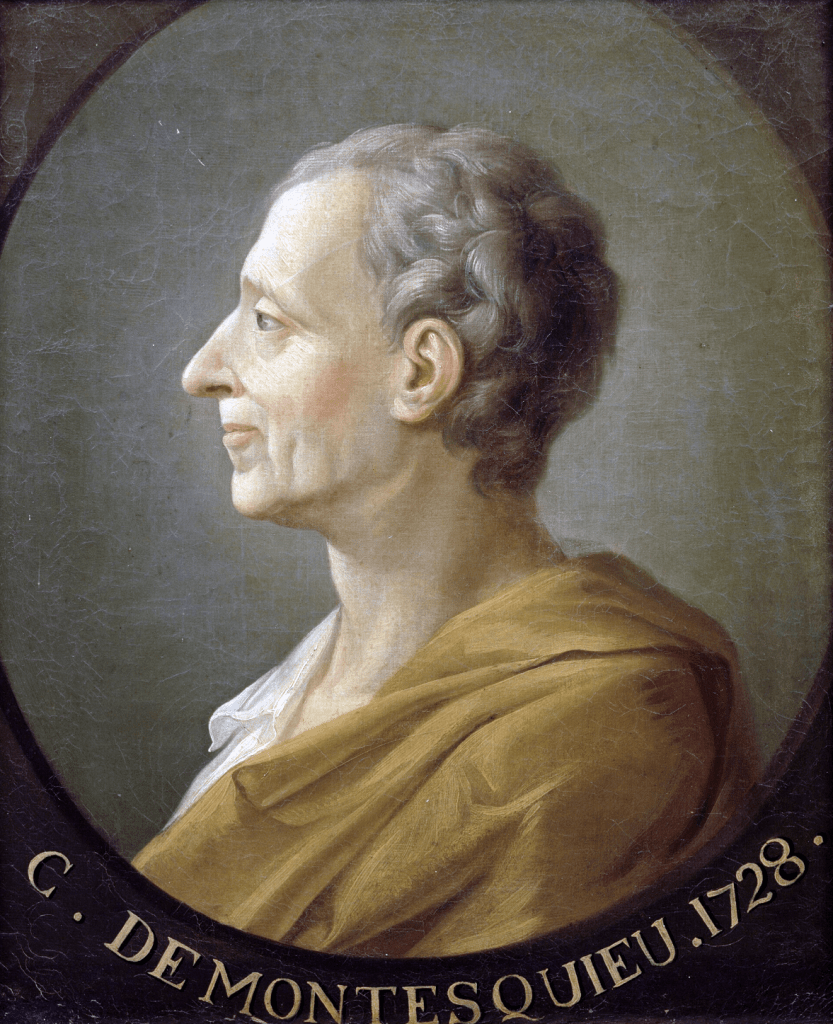
In the middle of the eighteenth century, the French philosopher Montesquieu published his book “The Spirit of Laws”, in which he stated that the legal system is part of a larger social entity .It is in a complex relationship with religion, politics, economics and many other aspects. It also provided for the possibility of interpreting barbaric behaviors such as cannibalism, idolatry and others through the function they perform within society. In addition, Montesquieu spoke of a concept similar to the collective mind (Durkheim has not yet endorsed it), which controls and leads society, and differs from one society to another, warning that the legislator and the politician must respect this spirit And seeking the help of changing unwanted habits with resourcefulness, as if other habits are instilled and cared for, to ensure that they gradually remove the old . Simultaneously, the encyclopedias, under the direction of Dennis Diderot, published “The Encyclopedia”, in which they tried to collect and organize as much knowledge as possible, to contribute to the progress of thought, science and technology. The church initially banned it in many European countries. This encyclopedia contained details about different social cultures and customs around the world, and systematic comparisons between different social systems, with the aim of reaching laws .The French philosopher and writer Jean-Jacques Rousseau was one of the most important participants in the encyclopedia, and his writings generally occupy a great place among anthropologists, who made comparisons between primitive peoples and societies in Europe .After analyzing it, he concluded opinions that differ from what most of his contemporaries see, views that see in every development of society a decline, and bear this society responsible for the sins of the individual and the weight of his burdens. Rousseau’s preference was also for primitive life over civilization “Corrupt” Europeanism is one of the most important precursors to cultural relativity. Besides, Rousseau formed a bridge that moved Europe from a French Enlightenment to a German romantic in contrast to it, which had long believed in Germanic racial superiority,It is based on semi-anthropological theories and studies on race and language. And with German philosophy comes its great philosopher Kant,In the late eighteenth century, an anthropology from a pragmatic point of view was published, in its last pages we read a phrase that may sound shocking to us, where it says: But Kant intended to modify the course of human study, from asking what is (its essence) to asking what he is doing.
 Information on all sciences