
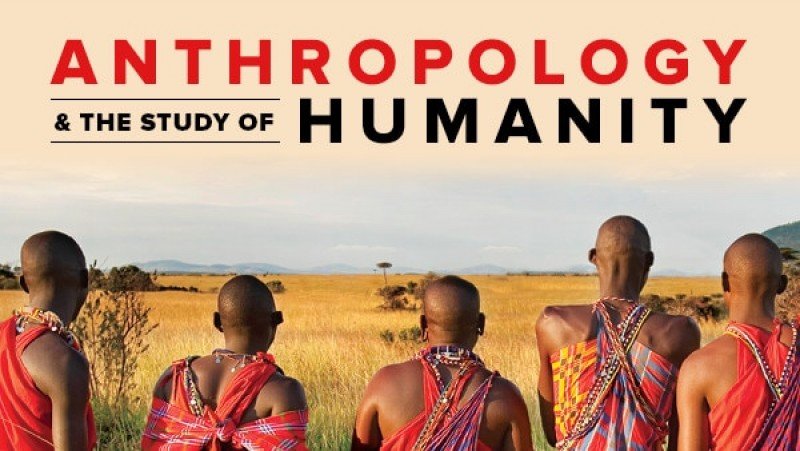
When we talk about early anthropology, we are really talking about the first anthropologists. Attention to the relativity of culture and values, and the comparative view, with a minimum level of neutrality, are the most important supplies for working with this. Science However, this is a spirit whose acquisition during most of humanity has remained extremely rare, for a variety of reasons
From Greece to the Americas: Collection of Matter
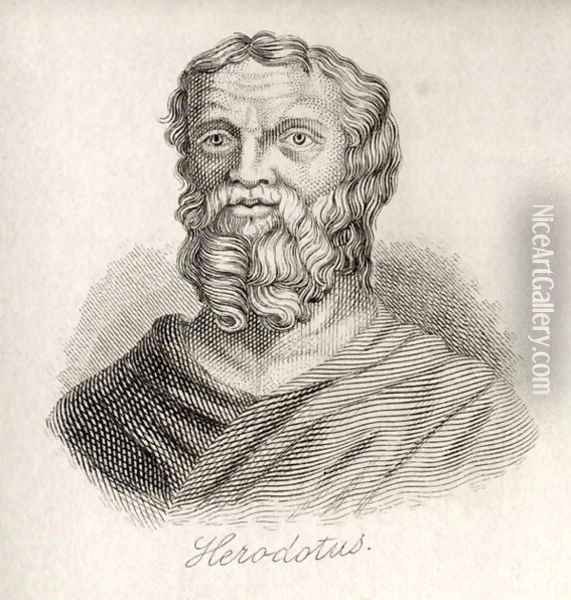
The Greek historian Herodotus lived in the fifth century B.C., chronicling the Persian-Iranian wars in his book “The History of Herodotus”, He was influenced by his narration of her beginnings with Homer’s poems, but the book contained – in addition to that – a record of living, governance, politics and geography.
He also presented the clashes between different cultures in Western Asia, North Africa and the countries of Greece at the time. Just as Herodotus was known as the “father of history”, some considered him a father of anthropology as well, as Herodotus recorded in his history the differences between societies in language, customs, beliefs, etc. He mentioned details about food, medicine, marriage, slavery and the status of women, relying on what was written on his observations during his travels and what he heard from others. But the great importance was in his acknowledgment – sometimes – that the differing values of these peoples are not due Because of her inferiority or the corruption of her morals, but to her different conditions and circumstances.
In the era of the Romans, we encounter something of this spirit in the first century B.C., specifically in the Diwan “On the Nature of Things”.For the Epicurean poet and philosopher Lucretius, besides the theories of matter, atom, the motion of the celestial bodies, etc., Deposited by the Bureau, we find its division into historical stages (Stone Age, Bronze, and Iron), and its views on the emergence of language, the nature of politics, and the decade About the genesis of language, the nature of politics, social contract, music, arts and more. In addition to adopting the doctrine of Epicurus, which makes everything fall into this world a material cause that can be discovered, until the “uncivilized” peoples leave behind.
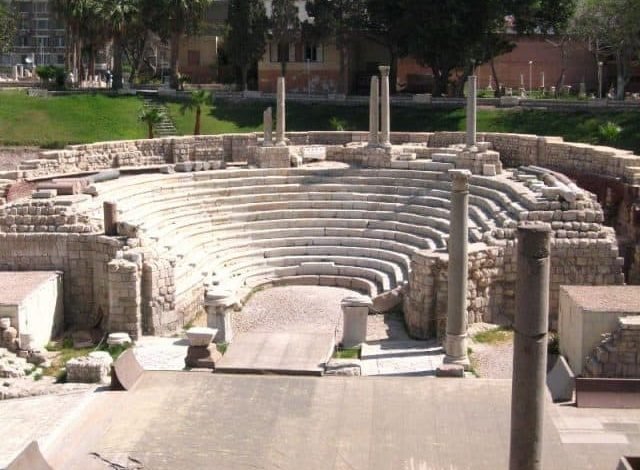
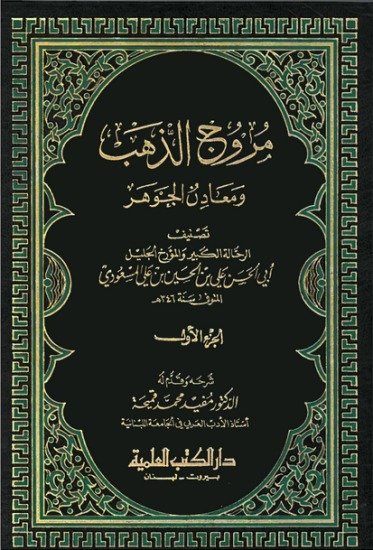
Then the contributions of Muslim travelers and historians emerged in the tenth century AD Among the most important are the writings of Herodotus the Arabs, born in Baghdad: Abu al-Hasan al-Masoudi. The book “Promoter of Gold and Substance Metals” contains the most famous works of Al-Masoudi.The biography of humans from creation until the Abbasid Caliphate of its time. In it he has shown a critical spirit in the face of heritage quotes and historical events And he talked about the impact of the environment and its difference on the human body, as it showed sympathy with other peoples, and he warns of the difference between what is stated in the books and scenes on the ground.

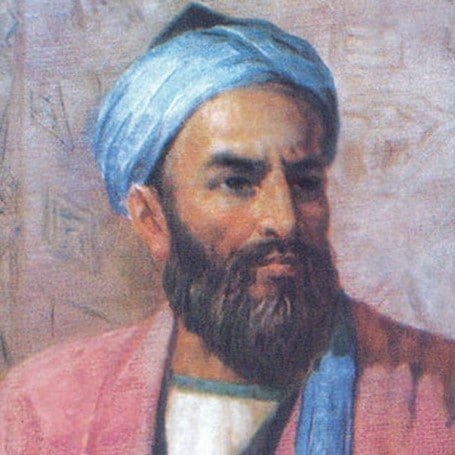
And after a few decades, on the other side of the Islamic body, the cursed scholar was Abu al-Rayhan al-Biruni Born in Uzbekistan, under the rule of the Ghaznavid state, records his observations in the Indian subcontinent, and compares cultures with rare objectivity and impartiality.They are largely due to his rise in a highly diverse society, his journeys and his mastery of several languages,
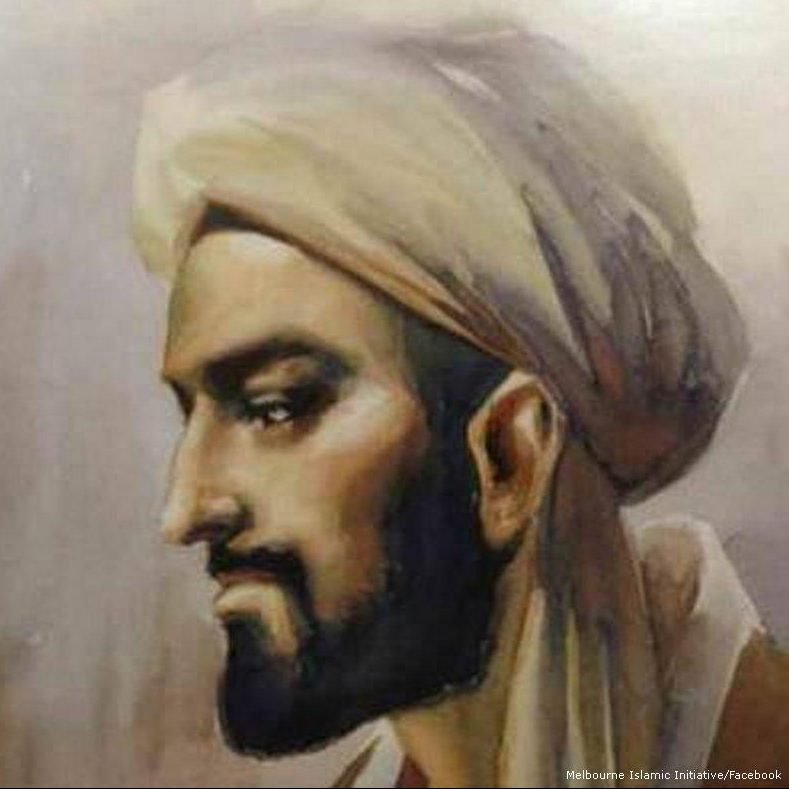
But Abd al-Rahman Ibn Khaldoun, born in the fourteenth century in Tunisia, remains the most prominent contributor. Ibn Khaldun developed the theory of nervousness It is the first non-religious social theory, which tries to understand human society, regardless of its geographical location or its temporal era In this context, he spoke about the role of kinship and religion in spreading a spirit of solidarity among members of society, as well as a difference between “Bedouin” and “urban” societies.
It is worth noting that during the periods, Europe’s descriptions of narratives and descriptions witnessed tremendous growth.As a result of exploratory trips of various purposes, between religious tourism, trade, proselytism and the Crusades These trips covered various parts of the ancient world, from the Middle East, Africa and Central Asia to China, Japan and the Tatars.Among the most famous of these travelers were John de Plano Carbini, Matthew Paris and Marco Polo. Then came the age of exploration And with him countless unprecedented observations and explorations, even though the first texts were full of false information and religious arrogance, especially as they related to the Americas.. With the invention of printing in the middle of the fifteenth century, the effect of this news soon doubled and spread madly, until it reached the European collective mind.
With all this and other things that cannot be mentioned, such as the Orientalist movement and its translations, the raw material necessary for making comparisons between societies and looking at the human condition throughout the ages is available.And the opportunity has become an opportunity for the European mind to study and analyze it, especially that this coincided with the beginning of the Enlightenment era and the revolution and emancipation that contained it in an unprecedented way.
 Information on all sciences
Good job, Dodo❤
LikeLiked by 1 person
Thanks so much my love ❤️
LikeLike